
Compression Socks UK – Doctor‑Informed Cotton Graduated Support
Compression socks in the UK are designed with graduated pressure — firmer at the ankle and gradually reducing up the calf — to support natural circulation during travel, work, and extended sitting. At Kensington, our doctor-informed approach combines structured compression levels with breathable, certified organic cotton for dependable everyday comfort. Explore compression socks built for real-world wear — from long-haul flights to daily routines.
- Trusted UK compression design
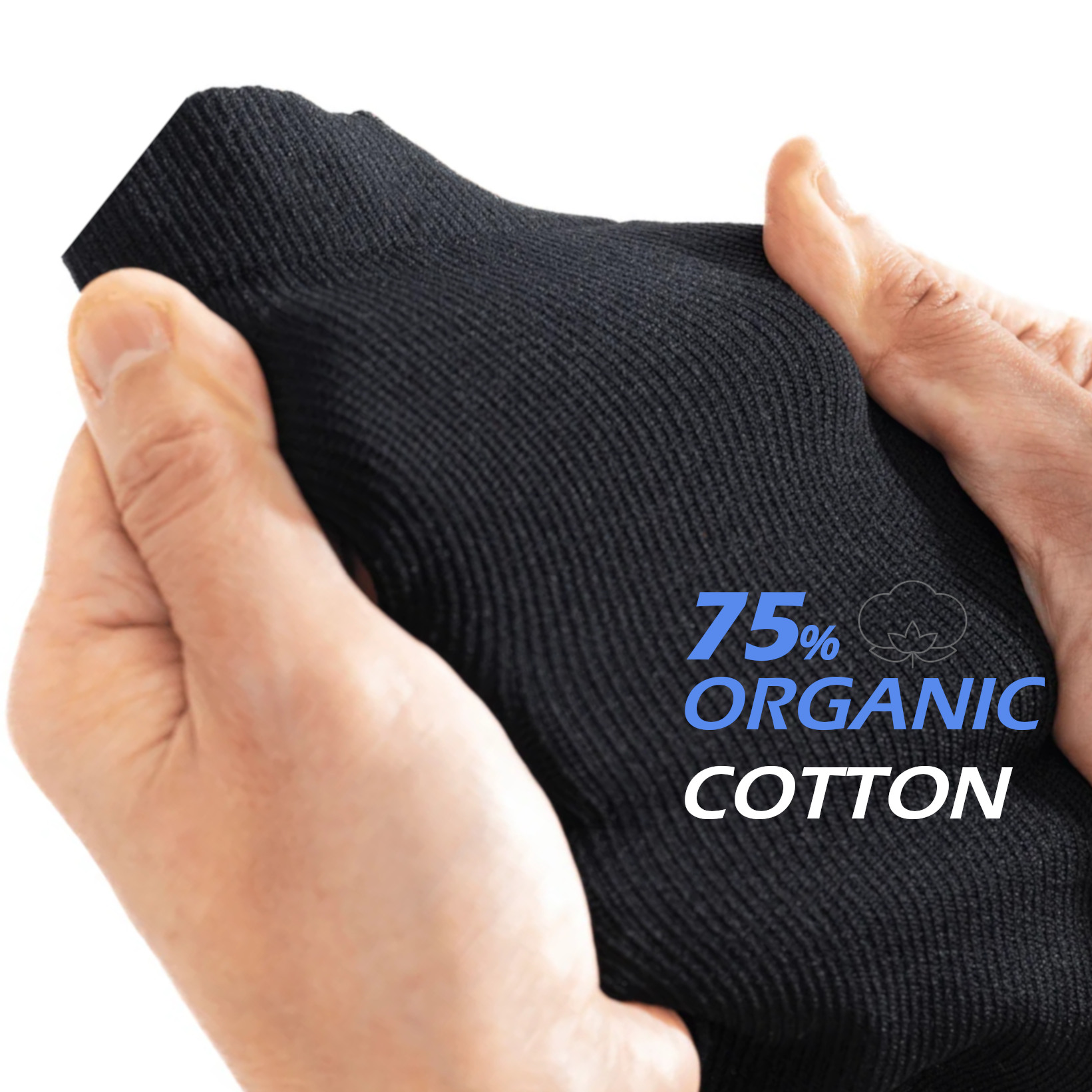
- Breathable cotton-rich construction
- Graduated pressure levels
Why Choose Cotton Compression Socks?
In the UK market, most compression socks rely heavily on synthetic blends. Cotton‑rich graduated compression offers a more breathable alternative without compromising structured support. For those searching for cotton compression socks UK, breathable organic cotton construction offers a more wearable alternative to the trapped heat synthetic feel of fully synthetic designs. Benefits include:
- Enhance comfort across extended wear
- Improve airflow compared to synthetic alternatives
- Provide a softer feel against the skin
- Maintain structured graduated pressure
What Are Graduated Compression Socks?

Compression Socks for Flying & Long‑Haul Travel
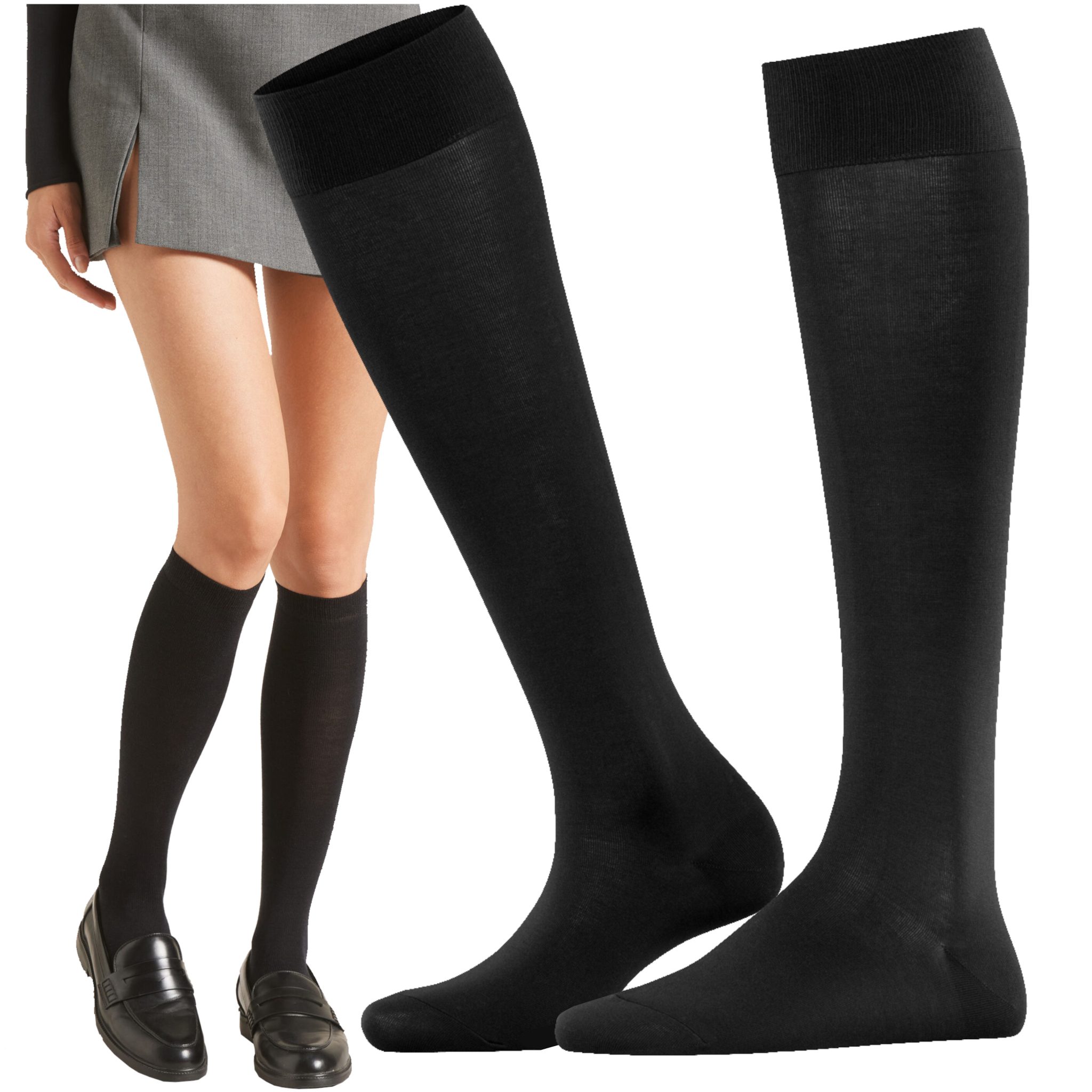
Extended periods of sitting — particularly during flights — can leave legs feeling heavy or fatigued. Graduated compression supports comfort during these journeys by maintaining structured pressure where it matters most. Our flight compression socks use the same graduated design principles, crafted in breathable cotton to maintain comfort across time zones. For cabin crew, pilots, frequent flyers, and long‑haul travellers, compression is structured support for modern travel. Our flight compression socks are commonly chosen by UK travellers seeking structured comfort on long‑haul journeys.
Compression Socks for Daily Wear & Work
Compression is not only for air travel. Many people choose graduated compression during everyday routines — particularly when standing for extended periods or working long shifts. Cotton compression socks are especially suited for daily wear, combining structured support with breathable comfort. They are commonly worn during: • Office environments • Retail and healthcare roles • Long commutes • Extended periods on your feet Designed for wearability, our compression socks balance structure and comfort to suit daily routines.

Understanding Compression Levels (mmHg Explained Simply)
What mmHg means
Compression levels are measured in mmHg (millimetres of mercury). This number indicates the amount of pressure applied at the ankle — the foundation of graduated compression.
How graduated works
Graduated compression is strongest at the ankle and gradually decreases up the calf. This structured pressure pattern supports natural circulation during extended periods of sitting or standing.
18–21 mmHg guidance
Moderate graduated compression — commonly in the 15–20 mmHg range — is widely chosen for travel and daily wear. It provides noticeable support while remaining comfortable for extended use. If you are unsure which compression level is suitable for you, consult a healthcare professional for personalised advice.
What Compression Level Do I Need?
Choosing the right compression level depends on your needs, travel habits and overall health. Compression strength is measured in millimetres of mercury (mmHg), which indicates how much pressure the socks apply at the ankle.
14–17 mmHg – Mild Support
Ideal for light travel, desk work and everyday wear. This level helps reduce minor swelling and leg fatigue, especially on short flights or long periods of sitting.
18–21 mmHg – Optimal Everyday & Travel Compression
This is the most effective and widely recommended level for both long‑haul travel and daily wear. Graduated 18–21 mmHg compression supports healthy circulation, helps reduce swelling during flights, and relieves leg fatigue caused by prolonged sitting or standing.
For most healthy adults, this level provides the ideal balance between effective support and comfortable all‑day wear. It is suitable for office work, commuting, long flights and extended periods of immobility.
This is the level most compression socks UK customers choose for reliable everyday and travel support. Its suitable for most people without underlying medical conditions.
20–30 mmHg – Medical Grade Compression
Typically recommended for those at higher risk of deep vein thrombosis (DVT), varicose veins or chronic swelling. This level should be worn under medical guidance, particularly if you have circulatory conditions.
If you are unsure which level is right for you, it is always advisable to consult your GP or healthcare professional before choosing stronger compression.
Frequently Asked Questions About Compression Socks
Do compression socks really help prevent DVT?
For individuals with existing medical risk factors, medical advice should always be sought before travel.
What compression level is best for flying?
How long should you wear compression socks on a flight?
Can you wear compression socks every day?
How tight should compression socks feel?
Are compression socks safe for everyone?
Explore Our Compression Sock Range
Discover graduated compression designed for travel and everyday wear.